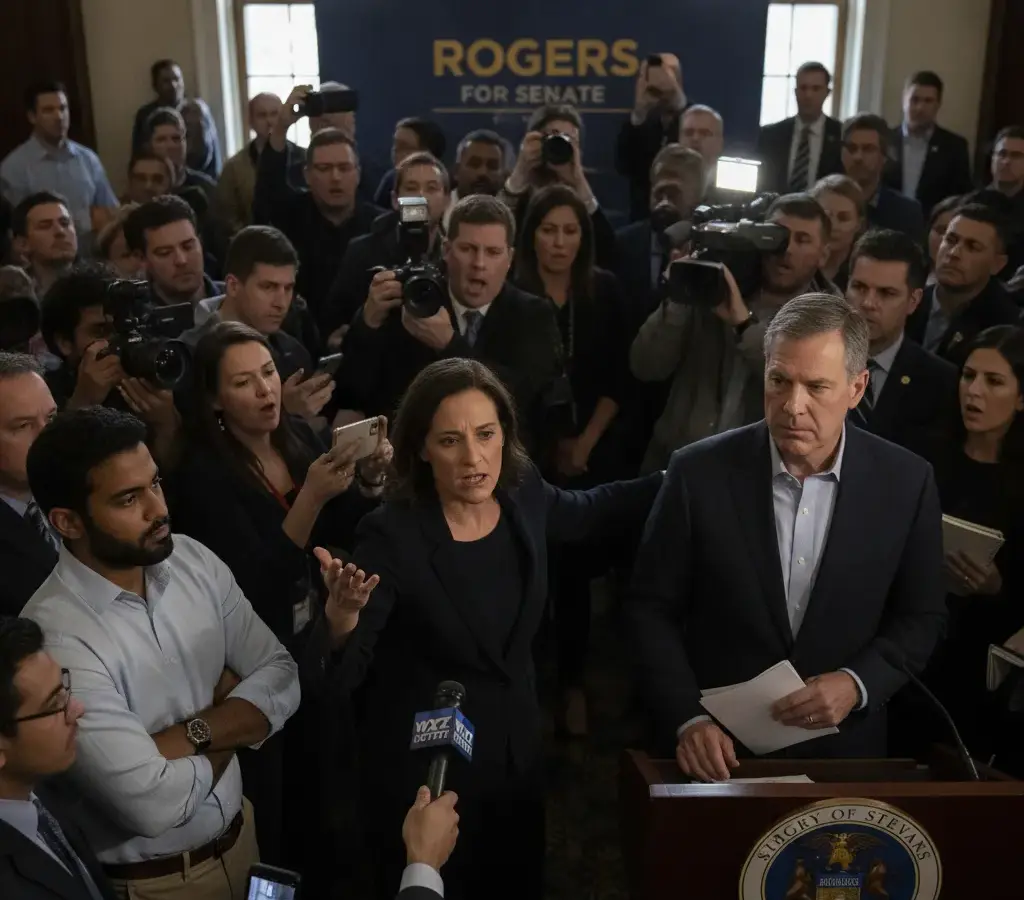
The Democratic Party is in an uproar following an unexpected turn of events in Michigan, where Congresswoman Haley Stevens has endorsed Republican candidate Mike Rogers. The move comes just days before the midterm vote and follows a bruising Democratic primary in which Stevens narrowly lost to Abdul El-Sayed. The endorsement appears to be the breaking point in a long simmering feud between the two former rivals, largely centered on disagreements over support for Israel, turning one of the nation’s most competitive Senate races into a battlefield of internal party grievances.
High ranking Democrats have wasted no time in labeling the move a betrayal. California Governor Gavin Newsom described the shift as a sudden turnaround, suggesting that something suspicious was happening behind the scenes and calling it a potential October surprise designed to distract voters. Senate Majority Leader Chuck Schumer echoed this sentiment through his campaign office, describing the endorsement as despicable while insisting that the party remains firmly behind El-Sayed to protect working families from the influence of billionaire donors and Donald Trump.
The backlash has extended across the ideological spectrum of the party, with Senator Bernie Sanders criticizing Stevens for letting her ego outweigh the importance of defeating a Republican rubber stamp in the Senate. Sanders noted that even members of Stevens’ own staff reportedly resigned in disgust over her decision. Meanwhile, Michigan Democratic Party Chair Curtis Hertel accused Stevens of abandoning her stated values by campaigning alongside Rogers, whom he characterized as someone intent on passing a national abortion ban and serving Trump’s agenda.
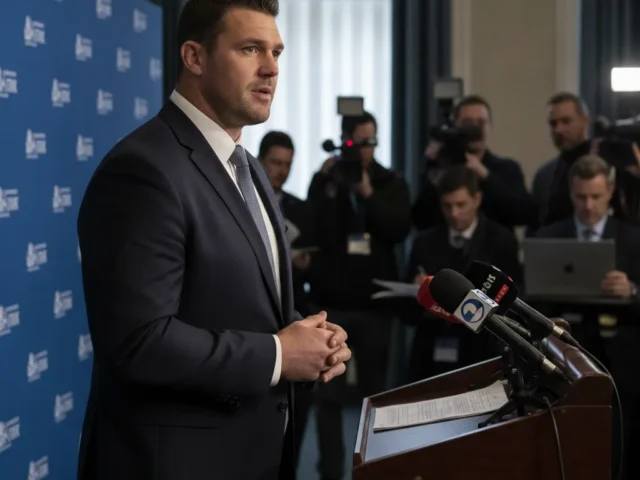
Amidst the chaos, Abdul El-Sayed has attempted to maintain a level head despite facing aggressive rhetoric from Donald Trump, who recently referred to him as a jihadist during an Iowa campaign stop. Speaking at a rally from which Stevens had been pointedly disinvited, El-Sayed brushed off the drama surrounding his former opponent. He told reporters that he spends little time thinking about Stevens, stating that he is far more interested in policy than personality clashes as he seeks to build a coalition against hate and extremism.